July 18, 2026
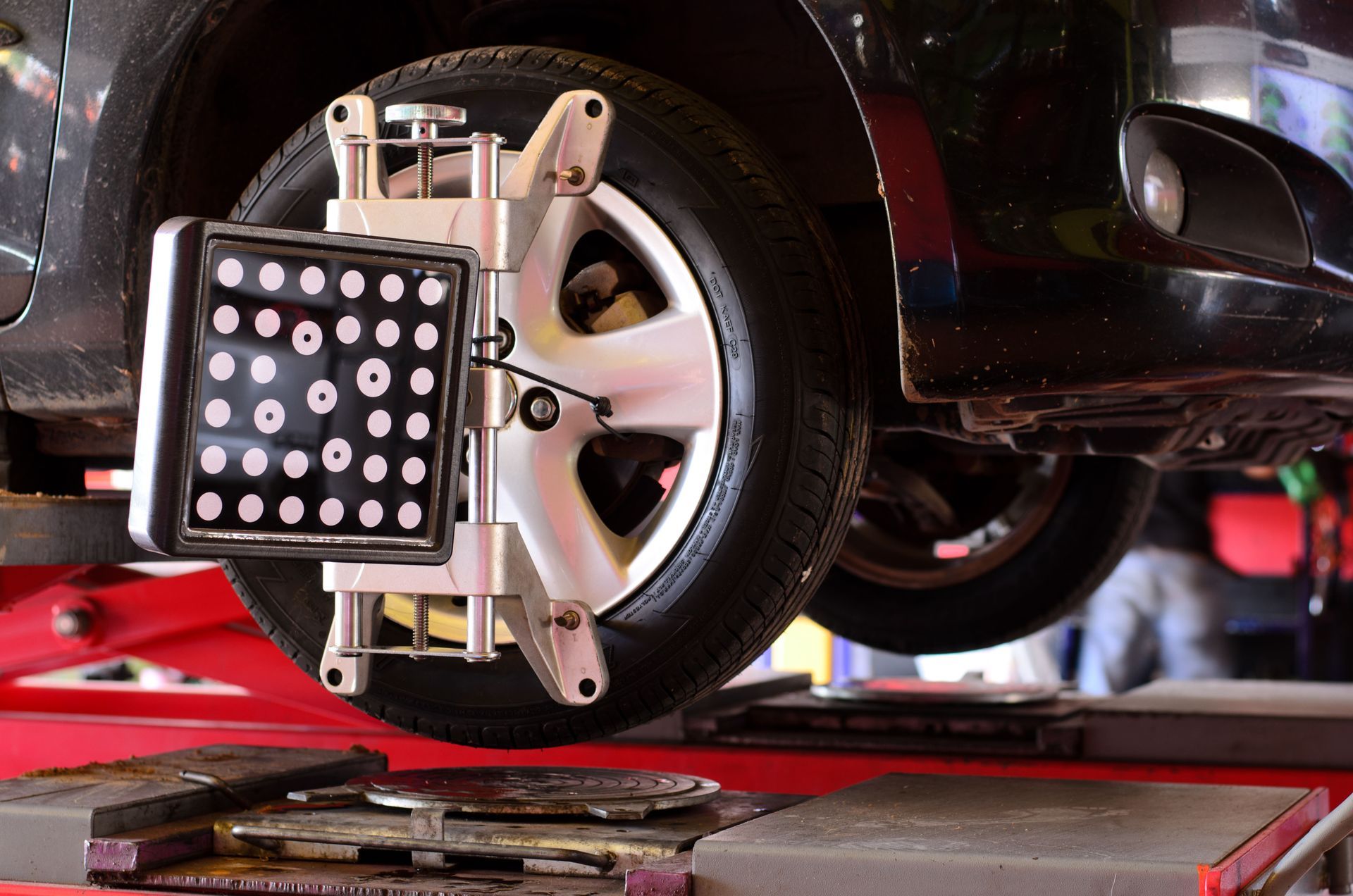
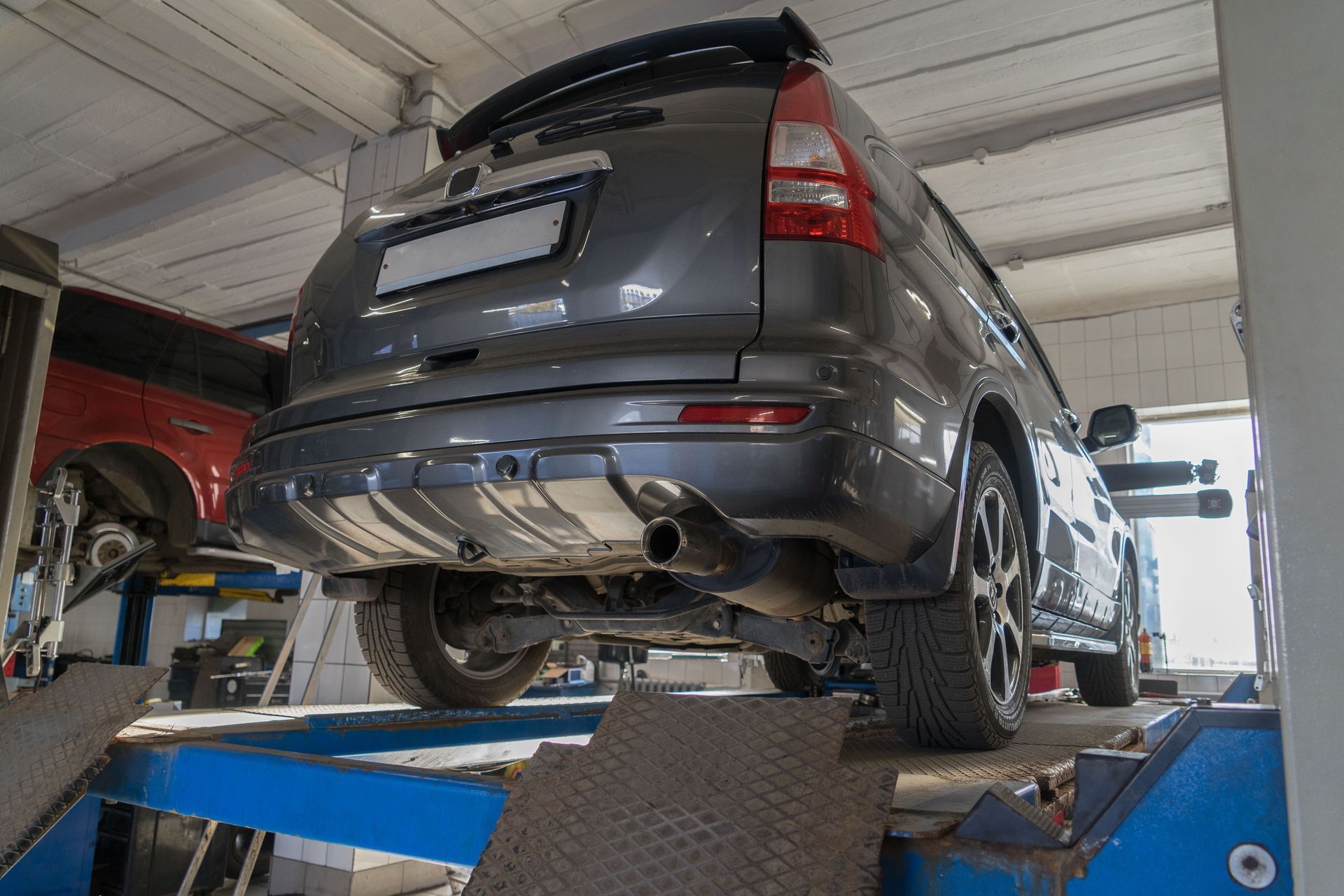
Vehicle maintenance involves far more than routine oil changes and occasional tire replacements. Every part of a vehicle works together to create a safe, comfortable, and dependable driving experience, and even a seemingly minor issue can gradually affect overall performance. One service that is frequently overlooked is auto alignments, despite the important role they play in protecting a vehicle’s handling, efficiency, and long-term reliability.
Many drivers assume alignment concerns only become important after a major repair or a noticeable steering problem. In reality, everyday driving conditions, changing road surfaces, and ordinary wear can gradually shift a vehicle out of proper alignment without producing dramatic symptoms right away. Addressing the issue promptly helps reduce unnecessary strain on multiple vehicle components before more significant problems develop.
Delaying this maintenance is surprisingly common. In fact, according to AutoInc, about 1 in 3 drivers acknowledge putting off wheel alignments for more than 30 days, illustrating how often this essential service is postponed. Recognizing why timely attention matters can help vehicle owners make more informed maintenance decisions.
1. Preserve Tire Life
Proper alignment helps ensure that every tire maintains consistent contact with the road. When wheels point in the correct direction, tread wears more evenly across the entire surface instead of becoming concentrated along one edge. This balanced wear allows tires to perform as intended throughout their usable lifespan.
When alignment is ignored, uneven wear develops gradually. Drivers may not notice the problem immediately because the changes often occur over time rather than all at once. By the time visible wear appears, tire performance may already have declined considerably.
Routine auto alignments help protect this investment by supporting even tire wear and reducing unnecessary replacement costs. Maintaining proper alignment also contributes to smoother operation during everyday driving.
2. Improve Steering Control
A properly aligned vehicle responds more naturally to steering input. The steering wheel feels balanced, the vehicle tracks predictably, and drivers experience greater confidence while traveling on highways, neighborhood streets, and winding roads alike.
When alignment shifts, steering behavior often changes in subtle ways before becoming more noticeable. A vehicle may gradually drift toward one side, require constant steering corrections, or feel less responsive during routine driving. These conditions can increase driver fatigue because additional attention is required to keep the vehicle traveling in a straight path.
Professional alignment service restores the intended steering geometry, allowing the suspension and steering systems to work together as designed. Improved responsiveness contributes to a more comfortable and controlled driving experience under a wide variety of road conditions.
3. Enhance Driving Safety
Safe driving depends on predictable vehicle behavior. When wheels remain properly aligned, braking, cornering, and emergency maneuvers become more stable because the tires maintain better contact with the pavement. Proper alignment also helps the vehicle respond more consistently to steering input, allowing drivers to maintain better control during routine commutes as well as unexpected situations. This added stability contributes to greater confidence behind the wheel, especially when road conditions change due to weather, traffic, or uneven pavement.
Misalignment can interfere with this stability by reducing the effectiveness of tire contact. Instead of sharing road forces evenly, individual tires may experience uneven pressure, affecting overall balance during acceleration, braking, and turning. Although the changes may begin gradually, they can become more noticeable as wear continues.
Regular auto alignments support consistent vehicle handling while helping important safety systems operate under optimal conditions. Maintaining proper alignment allows drivers to respond more confidently when unexpected situations arise on the road.
4. Protect Suspension Components
A vehicle’s suspension consists of numerous interconnected components that work together to absorb road impacts while maintaining stability. Every part is designed to function within specific operating angles and tolerances.
When wheels remain out of alignment, additional stress can spread throughout the suspension system. Components may compensate for improper positioning during every trip, gradually increasing wear on joints, bushings, and other connected parts. Although these parts are built for durability, unnecessary strain can shorten their service life.
Scheduling auto alignments when recommended helps reduce excessive stress throughout the suspension system. Supporting proper geometry allows related components to operate more efficiently while promoting smoother overall performance.
5. Increase Fuel Efficiency
Vehicle efficiency depends on minimizing unnecessary resistance while driving. Properly aligned wheels roll more freely, allowing the vehicle to move with less effort from the engine. When alignment is incorrect, tires may create additional rolling resistance because they no longer travel in the intended direction. Instead of moving efficiently, they can drag slightly across the road surface, requiring more energy to maintain normal driving conditions. While the change may appear insignificant during a single trip, the cumulative effect becomes more meaningful over time.
Consistent auto alignments help reduce avoidable resistance, supporting improved efficiency while allowing the vehicle to operate more smoothly throughout daily travel. With less unnecessary strain on the tires and drivetrain, the engine does not have to work as hard to maintain normal driving performance. Over time, this can contribute to more efficient operation while also reducing wear on related components, making routine alignment service a valuable part of long-term vehicle maintenance.
6. Support Long-Term Vehicle Value
Routine maintenance plays an important role in preserving a vehicle’s overall condition. Buyers and owners alike appreciate evidence that important systems have received consistent professional care throughout the life of the vehicle.
Alignment affects several areas simultaneously, including tire condition, steering performance, suspension health, and overall driving quality. Allowing alignment issues to continue unchecked may contribute to visible tire wear and reduced driving comfort, both of which can influence how a vehicle is perceived.
Keeping up with auto alignments demonstrates an ongoing commitment to responsible maintenance. This proactive approach supports long-term reliability while helping the vehicle remain in stronger overall condition for future ownership.
7. Prevent Small Problems From Growing
Many vehicle issues begin with subtle symptoms that gradually become more significant if left unaddressed. Alignment concerns often follow this pattern, making early professional evaluation especially valuable.
Drivers may first notice slight steering changes, unusual tire wear, or differences in handling that seem easy to ignore. Over time, however, these seemingly minor concerns can place additional demands on multiple vehicle systems. Addressing the underlying alignment issue promptly helps reduce the likelihood of related wear developing elsewhere.
Professional technicians possess the equipment and expertise needed to accurately evaluate alignment angles and identify underlying causes. Rather than waiting for symptoms to become more severe, timely service supports dependable vehicle operation while helping avoid more extensive repairs in the future. Regular auto alignments provide peace of mind by keeping important systems working together as intended.
Vehicle maintenance is most effective when concerns are addressed before they develop into larger problems. Wheel alignment may seem like a small service compared to major mechanical repairs, yet its influence extends to tire longevity, steering precision, suspension health, fuel efficiency, overall safety, and driving comfort. Paying attention to alignment recommendations helps vehicles perform more consistently while protecting valuable components from unnecessary wear.
Drivers who prioritize preventive maintenance often experience smoother operation and greater confidence behind the wheel because essential systems continue working in harmony. Rather than waiting for noticeable symptoms to appear, scheduling auto alignments as part of regular vehicle care supports reliable performance throughout changing road conditions and everyday travel.
If your vehicle shows signs of uneven tire wear, steering changes, or declining handling, our team is ready to help. Contact Taylor’s Garage Inc. today to schedule a professional inspection and let us keep your vehicle performing at its best with trusted maintenance and expert care.